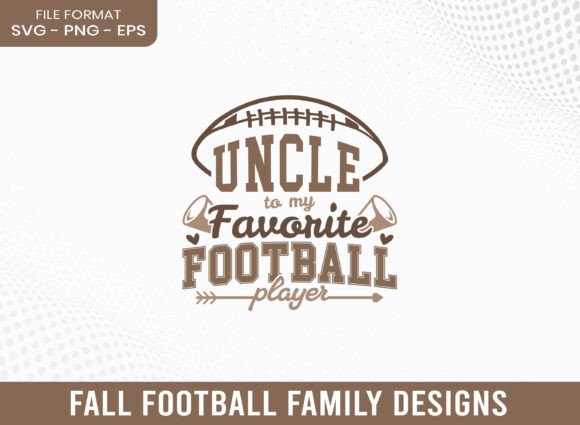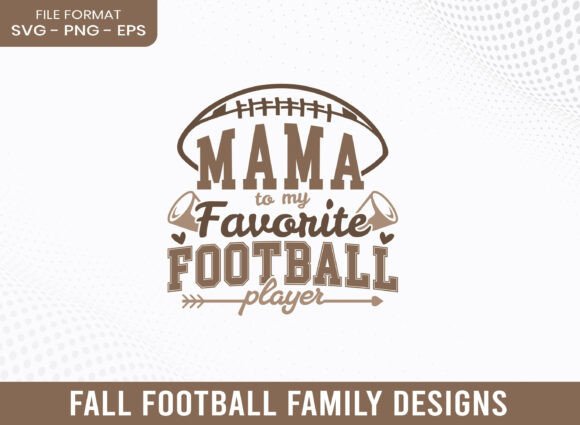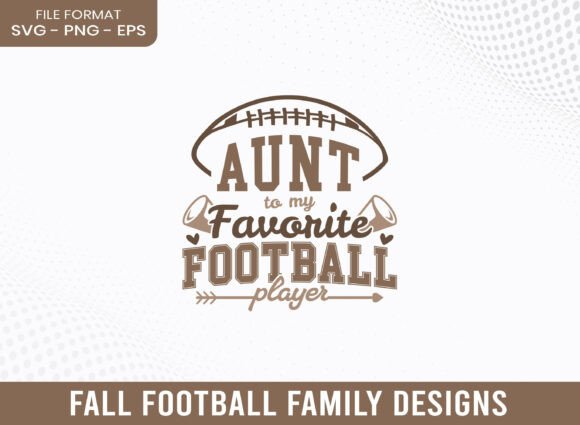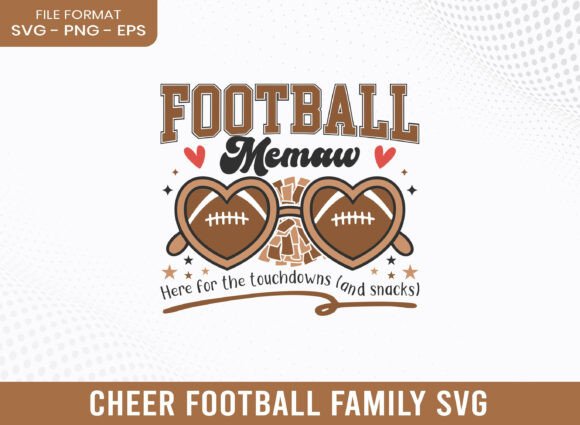
Wife to My Favorite Football Player SVG
A Designer’s First Look: Warm, Witty, and Worn-With-Pride
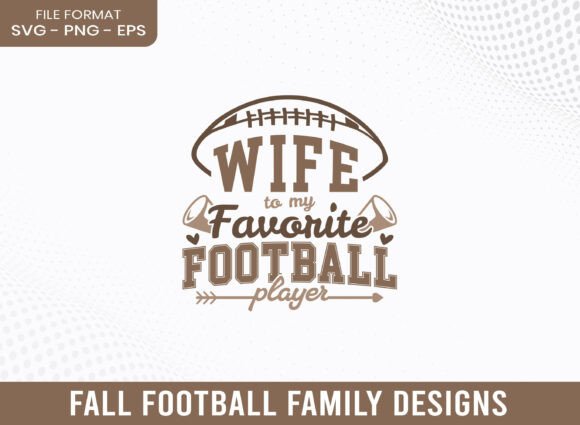
When I opened Wife to My Favorite Football Player SVG, I didn’t see just another football-themed graphic—I saw a quiet moment of partnership. It’s autumnal but not overly seasonal, affectionate but never cloying, and it carries that effortless charm so many crafters chase in family-themed designs. The layout balances rounded, friendly lettering with subtle football motifs—no aggressive helmets or roaring mascots here. Instead, it leans into warmth: soft curves, open spacing, and visual breathing room. That tells me this isn’t meant for loud stadium merch—it’s built for the cozy, personal side of fandom: a handmade tote bag for game-day tailgates, a sweatshirt for sideline support, or a pillow cover in a nursery where team colors quietly echo in the decor.
Where It Shines—and Where It Needs Careful Handling
In real embroidery use, Wife to My Favorite Football Player SVG performs best when treated like a *storytelling element*, not a standalone statement. On a medium-weight cotton tote bag? Excellent. The letterforms hold up cleanly in satin stitch, and the gentle arc of the phrase flows naturally across the front panel. On a baby onesie? I’d recommend simplifying or re-spacing the text slightly—tiny lettering on stretchy knit fabric demands extra stabilizer and tighter digitizing, and while the SVG is vector-based, the final embroidery file’s execution matters most. For sweatshirt embroidery, especially fleece-backed styles, I tested it with tear-away + cut-away combo stabilizer—and it held crisp edges without puckering.
That said, avoid cramming it into tight hoop sizes under 4x4 inches. The design’s natural rhythm depends on proportion: shrink it too far, and the football accents (if included as integrated shapes) lose legibility, and letter spacing collapses. On curved surfaces—like the front of a structured cap—the outer letters may distort unless the digitizer adjusts for crown curvature. And on dark fabric? Yes, the product description says it’s “easy to change color,” but don’t assume contrast is automatic. Run a black-and-white mockup first. What reads clearly in vector might vanish as fill stitch on navy fleece if thread density isn’t tuned.
Real-World Fit: From Boutique Shelf to Etsy Listing
Last month, I used Wife to My Favorite Football Player SVG to create a limited-run batch of embroidered aprons for a local mom-and-pop sports bar’s holiday gift shop. We paired it with mustard-yellow thread on charcoal twill—soft enough for kitchen use, bold enough to read from across the counter. Customers responded immediately: “That’s *me*,” one said, tapping her chest. That kind of emotional resonance is rare—and valuable. It’s why this design works well for personalized gifts, small shop merchandise, and boutique branding: it feels handmade even before stitching begins.
For Etsy sellers, it’s a strong candidate for bundled listings—think “Football Family Bundle” with matching SVGs for husband, kids, or pets. But remember: as a digital embroidery file, its commercial viability hinges on clarity in your listing. Be transparent about recommended fabric types, ideal hoop size range, and whether it includes alternate versions (e.g., simplified outline for applique design). Buyers aren’t just purchasing pixels—they’re buying confidence in their finished product.
Design Integrity Meets Practical Craftsmanship
What makes Wife to My Favorite Football Player SVG feel trustworthy—not just trendy—is its restraint. No excessive flourishes. No over-digitized shadows or gradients that won’t translate to thread. It respects the limits of machine embroidery design: clean lines, consistent stroke weight, and intentional negative space. That directly impacts stitch density—lower density means less thread consumption, faster run times, and better drape on lightweight fabrics like tea towels or baby blankets.
But restraint doesn’t mean rigidity. Because it’s built from 100 vector shapes, you *can* adapt it thoughtfully: swap the football icon for a heart, adjust kerning for a specific garment width, or isolate the phrase for use as a standalone embroidered patch. Just remember—every edit affects stitch path logic. Always test the edited version on scrap fabric first, especially if adding fill stitch to previously outlined elements.
Five Must-Do Checks Before You Stitch
- Test on scrap fabric using your exact thread, stabilizer, and machine settings—not just a digital preview.
- Review thread color contrast on both light and dark backgrounds; what looks balanced on screen may lack pop in physical thread.
- Confirm hoop size compatibility—don’t force a 5x7 design into a 4x4 hoop without checking for clipping or distortion.
- Inspect small details at actual stitch scale: tiny serifs or connecting strokes can vanish or fuzz on textured fabrics like terry cloth or heavy canvas.
- Verify licensing terms before selling finished items or reselling the digital embroidery file—this applies whether you’re a craft business, Etsy seller, or custom apparel decorator.
Final Thought: It’s Not Just a Design—It’s a Conversation Starter
Wife to My Favorite Football Player SVG succeeds because it understands its audience—not just football fans, but the people who live alongside them. It’s warm without being saccharine, thematic without being kitschy, and flexible without feeling generic. In a crowded space of Crafts and Graphics, that balance is hard-won. Whether you’re stitching a holiday gift for your sister-in-law or building a cohesive line of small shop products, this design earns its place by making the handmade feel intentional, personal, and quietly proud. Just give it the thoughtful prep it deserves—and let the thread do the rest.